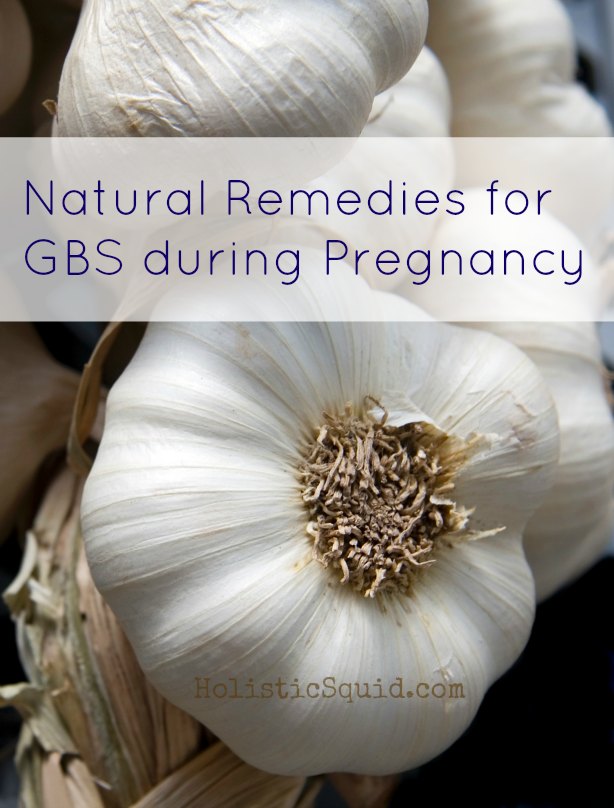
Group Beta Strep (GBS) is a type of normal bacteria that is commonly found in the human body. 10-35% of all healthy adult women have GBS in the lower intestine and/or vagina. Ordinarily, this doesn't cause a problem, however, in certain circumstances, GBS bacteria can invade the body and cause serious infection; this is referred to as Group B disease. The typical treatment for is antibiotics, but effective, alternative treatment for GBS may be a better option for you and your baby.
During pregnancy, women are typically tested for GBS during 35th to 37th week of pregnancy because if a mother is colonized, there is a chance that her baby may develop Group B disease.
A positive culture means that a woman is colonized with GBS. It does not mean that she has GBS disease or that her baby will become ill. Rather, it means that the care provider must plan labor and delivery and newborn care with this in mind.
If you test positive, you can opt for antibiotics when you are in active labor and/or choose to try alternative therapies in the weeks leading up to labor. If you are working with a traditional OBGYN, you may not be given the option to try alternative therapies, but these options do exist.
Which women are more likely to develop GBS disease?
- Positive for GBS colonization at 35-37 weeks
- Previously given birth to a baby who had GBS infection
- GBS bacteria in the urine (either with or without symptoms)
- The water bag has broken for more than 18 hours prior to delivery
- Onset of labor or water bag breaking before 37 weeks
- Developing a fever higher than 100.4 F
GBS and risk to your baby
According to the CDC, if you have tested positive and are not in the high risk category, then your chances of delivering a baby with GBS are 1 in 200 without antibiotics and 1 in 4000 with antibiotics. Premature babies, with their less mature immune systems are more vulnerable than babies born full term. However, since most babies are born at term, 70% of babies who develop the disease are term.
GBS disease can occur in infants one week to several months after birth. A baby that develops late onset may exhibit the following signs: stiffness, limpness, inconsolable screaming, fever, or refusal to feed.
In newborns, GBS is the most common cause of sepsis (blood infection) and meningitis (infection of the fluid and lining surrounding the brain) and is a frequent cause of newborn pneumonia. GBS infection can be fatal for newborns, and up to 20% of babies who survive GBS-related meningitis are permanently handicapped, including hearing or vision loss, varying degrees of physical and learning disabilities and cerebral palsy.
Why consider alternative treatment for GBS?
Conventional treatment to prevent GBS transmission at birth is intravenous antibiotics, 4 to 6 hours prior to delivery for women who have tested positive for GBS.
While no mother wants to pass potentially harmful bacteria to her baby through the birth canal, it is important to note that a baby also receives essential healthy bacteria and other micro-flora when passing through the birth canal. The exchange of micro-flora during a vaginal birth marks the very beginnings of your baby forming his/her immune system.
Antibiotic use during pregnancy and birth puts this natural, healthy exchange of micro-flora at risk. And therefore, antibiotics should only be used if all other methods of correcting bacterial imbalance have been exhausted.
While antibiotics are the research-documented way to prevent GBS infection, midwives use natural protocols with great success.
Alternative treatment for GBS colonization during pregnancy
Ideally, an expectant mother will begin treatment at about 32 weeks, after confirmation of the presence of GBS.
The treatment will strengthen the immune system and help to restore healthy vaginal flora, enabling the body to correct bacterial overgrowth. Here are some remedies that may help:
- High potency probiotic supplement – at least 4 billion cells per dose – (and probiotic foods) to encourage healthy flora (should be taken throughout pregnancy, but especially in the case of GBS+ test).
- Vitamin C – 1000mg per day with bioflavinoids – to support the immune system and strengthen the amniotic sac to prevent early rupture which can increase the likelihood of GBS infection.
- Burdock root and echinacea root infusion – drink 1 cup per day. To prepare the infusion, steep 1/2 ounce of each of these herbs in 4 cups of boiling water for 2 hours. Strain and take the above dose, storing the rest in the refrigerator for the next day.
- Echinacea and astragalus tinctures twice daily, 1/2 tsp each.
- Grapefruit seed extract – 15 drops daily.
- Plenty of fresh garlic every day. This could include:
- Garlic tea – Chop a clove of fresh garlic and mix with a teaspoon of honey. Swallow this without chewing it. This can be done several times a day, preferably with a meal.
- Garlic elixir – Blend 1/2 cup of honey, 1/4 cup of apple cider vinegar, and half a bulb of fresh garlic in your blender until liquidy. Take 1/2 teaspoon up to twice a day. Adjust the taste as necessary with more or less of the honey or vinegar.
- Chop fresh garlic onto a salad, or mix with olive oil to use as a dressing or dip French bread into this as a condiment.
- Take garlic pearls according to the dosage on the brand you purchase.
Vaginal garlic protocol for GBS prevention
Garlic is a natural antibiotic and has been shown in vitro (in laboratory petri dishes) to kill bacteria and also yeast. In some important research done in China (1), garlic was shown to inhibit the growth of all of the following microorganisms: Escherichia coli, Salmonella typhimurium, Vibrio parahaemolyticus, Pseudomonas aeruginosa, Proteus vulgaris, Staphylococcus aureus, Mycobacterium phlei, Streptococcus faecalis, Bacillus cereus and Micrococcus luteus.
Here are the easy steps to use vaginal garlic to treat GBS
- Break a fresh, dry, hard clove from a bulb of garlic and peel off the paper-like cover.
- Cut clove in half. A whole clove will NOT work.
- Sew a string through the middle of the clove or tie a piece of white thread very tightly (so it cuts a bit into the garlic) and leave the thread hanging out, as if it was a tampon thread. That way it can easily be removed with very little effort. Putting the clove in gauze will prevent direct contact and decrease effectiveness.
———- OR —————
Crush the garlic clove and insert the mush on the end of a tampon (then removed) or your finger. A crushed clove will be more effective because there is more surface area of the garlic is exposed, but is more challenging to insert. - Insert garlic at night before bed. Many women taste garlic in their mouths as soon as it is in their vagina- so it is less pleasant to treat while awake.
- In the morning, the garlic may fall out when you use the bathroom. If not, use the string to remove the garlic like you would a tampon. If you cannot find it, do worry! The clove cannot enter the uterus through the cervix. It cannot get lost – but it can get pushed into the pocket between the cervix and the vaginal wall. Most people will taste the garlic as long as it is in there. So if you still taste it, it is probably still in there. Most women have trouble getting it out the first time, so be patient and gentle!
- Repeat this for 8 nights (around week 36). Or for 2 nights on, 1 night off, for 5 times (8 nights in 15 days)
- After the eight night of treatment, have your OBGYN or midwife repeat the culture. Before you go to get the culture, wash perineum and rectal area with soap and put on clean cotton underwear. GBS usually lives in your large intestine, and from there contaminates the vagina.
Not usually but women say they can taste it while they have it in the vagina. They can also try some oral garlic or other ways to boost immune system. I have all my moms take probiotics to keep healthy flora first off.
Natural Alternatives to vaginal garlic include:
- Tea tree oil 2% oil to 98% olive oil soaked tampon. Place tampon in vagina for 4 hours daily times 1 week, then retest for GBS.
- Douche with wheatgrass 2x per week alternating with vaginally inserted plain yogurt 2x week.
- Colloidal Silver, 1 dropper a day vaginally, low dose.
If you are successful at eliminating the Group Beta Strep, it's a good idea to continue the treatment until your baby is born to give yourself the best possible chance that the bacteria will not be present at the time of birth.
Speak to your alternative health practitioner to design a protocol to treat GBS naturally that's right for you.
Have you used alternative treatments for GBS? Please share your experience in the comments below!
 This post was fact-checked and co-written by Amy Tinney – licensed midwife, registered nurse, and supermom. Amy has worked with pregnant women for over 22 years, and currently offers support to families to have the birth they want, whether in hospital, home, or (soon-to-be) birth center in Los Angeles, CA. Learn more about Amy and her services at Artofnursing.net.
References:
- Chen, H.C., Chang, M.D., Chang, T.J. (1985) Antibacterial Properties of Some Spice Plants Before and After Heat Treatment. [English translation of Chinese article]. Zhonghua Min Guo Wei Sheng Wu Ji Mian Yi Xue Za Zhi 18: 190-5.
- Klein, J.O. (1999) Management of Acute Otitis Media in an Era of Increasing Antibiotic Resistance. Int J Pediatr Otorhinolaryngol 49: S15-17.
- Honig, E., Mouton J.W., van der Meijden, W.I. (1999) Can Group B Streptococci Cause Symptomatic Vaginitis? Infect Dis Obstet Gynecol 7: 206-09.
- Christensen, K.K, Dykes, A.K., Christensen, P. (1985) Reduced Colonization of Newborns with Group B Streptococci Following Washing of the Birth Canal with Chlorhexidine. J Perinat Med 13: 239-43.
- Irving, W.L. Best Practice in Labour Ward Management. Edited by L.H. Kean, P.N. Baker and D. Edelstone. London: WB Saunders, 2000.
- Albandar, J.M., Gjermo, P., Preus, H.R. (1994) Chlorhexidine Use after Two Decades of Over-the-counter Availability. J Periodontol 65: 109-12.
- http://wonderfullymadebelliesandbabies.blogspot.com/2007/08/gbs-giant-bothersome-stumblingblock.html
- http://www.americanpregnancy.org/pregnancycomplications/groupbstrepinfection.html
- http://www.ncbi.nlm.nih.gov/pubmed/15651446
This post can be seen at the following blog carnivals: Healthy 2Day Wednesdays. Hop on over to check out some other posts you may enjoy!








I ate raw garlic often while pregnant since I didn’t want to get sick. When I knew I was going in for my GBS test I took several raw garlic cloves and swallowed them with water for about a week before the test. I did it at night before bed. Additionally, I cut way back on sugar. I tested negative. To ensure things stayed that way, the last month of pregnancy I continued with the garlic regime and low sugar.
I should also mention that when I told my doctor my plan to “beat GBS with garlic” he gave me the strangest look and said, “Garlic is to ward off vampires.”
yes it is for vampires!!! blood poisoning bacteria and disease are figurative vampires!!!
my doctor also made fun of using garlic.
I think you mean “doesn’t.” Very important difference. Thanks for the share!
And by share, I mean new post.
JoAnne – HAha! Glad SOMEONE is awake. It took me about full hour this morning to form sentences that made sense, and obviously this was written before the hour was up. Thanks for catching that. 😉
I was GBS+. I took grapefruit seed extract and probiotics daily. I also used probiotics vaginally (inserting capsules as well as bio-k yogurt with a needless syringe). I did a douche every day with a hibiclens and water solution (don’t remember the ratios). I did this for two weeks and still had a very heavy growth. I finally tried the colloidal silver once a day (on top of everything else…I was seriously getting sick of sticking things in my vagina at this point! Hello!) and came out with a clear test. I highly recommend the silver vaginally. I really don’t think the probiotics vaginally did anything for the infection, although I am sure it wasn’t harmful at all to add to the environment.
The thing I have been told about GBS is that you can test positive one day and negative the next, so a woman that tests negative at week 35 is not necessarily negative when comes time to give birth. It would almost make sense for all pregnant women to follow a version of this protocol just to ensure there is no growth by the time delivery happens.
How did you insert the silver? I have tried everything – even putting into empty capsules but the capsules melt before I can get them in. I have tried everything for yeast this pregnancy – yogurt with a syringe seems to help. But I have tested GBS+ and want to try something else. thanks!
Thank you for sharing your experience with Colloidal Silver. Just what I was looking for
I, too, was positive with my first child… to make a long story short, was put on antibiotics and he was born perfect – thankfully! – but has a slew of allergies which has led us to a new understanding of our health/lifestyle. I gave birth to our second four weeks ago (our first is 1.5), and while my diet had drastically changed over the past year, I was determined to do everything to beat GBS this time… I was on Biokult for the entire pregnancy, as well as consuming a lot of garlic, cut out all sugar except raw honey (in moderation)… but the biggest kicker was the vaginal garlic treatment. I tested negative! It does work 🙂
That is great :0)
Amazing!! you give me hope
Would garlic also help treat yeast infections? You mentioned yeast, but I am not sure. Thanks for linking up to Healthy 2Day Wednesday! Hope to see you back this week.
Hi Debra – Garlic is not as effective for yeast. Vaginal probiotics are usually a better choice.
I am also wondering about yeast. How would I do probiotics vaginally? Just insert a capsule? Nightly? I’m 15 weeks and have been battling yeast for a while…it’s getting old! I’m taking probiotics orally twice a day, and it does seem to be helping. What about grapefruit seed extract orally for yeast? Is that safe at 15 weeks? Is it effective? Anything else I can try? Bragg’s ACV?? PRETTY PLEASE respond to this question, I’m about to give in and take the drugs!! :-/
I inserted yogurt with probiotic capsules mixed in with a syringe that my midwife gave me. It is messy for sure – I would have it all ready to go and insert it while laying down for bed and try not to get up all night. You have to push the syringe in as slowly as possible otherwise it will all leak out. I also propped my bottom up with a pillow while inserting it. It worked to get rid of my yeast when nothing else helped. Keep it up for at least a week and then do it for “maintenance” once in a while or when you feel you need it. I was told no GSE while pregnant. Oh, and I also rinsed with diluted ACV in a peri bottle in the shower and after going to the bathroom. Good luck!
Thanks for the response, Lash! Can you tell me how much yogurt and how much probiotics you mixed in? Any idea where I could get the right kind of syringe? Also, do you know anything more about GSE during pregnancy? I had been taking it for the yeast already for about a week already but stopped realizing it was controversial during pregnancy. I see it listed above for Group B Strep, and Emily tends to know her stuff, so I’m confused…and kind of freaking out now :-/ :-/ Have you been told anything about ACV orally? I was taking that too (and had used it similarly to what you described as a rinse). I wish there was s comprehensive list of safe alternative treatments for common ailments during pregnancy!
Mindy, you can try asking at the pharmacy for needleless syringes. They sell them for baby medicines. I used the 10ml size. I mixed in maybe 3 capsules of a high quality probiotic (at least 10 different strains – I used either Gut Pro or Mega Food). I tried oral ACV too but didn’t notice anything from it. Didn’t help with the white coated tongue at all. I was told by a few alt practitioners that because my tongue was coated it was likely all through my system. And I don’t remember what the issue was with GSE…can be irritating maybe? Don’t freak out, lot’s of women use it during pg with no ill effects. My midwife was just being cautious on that one I think.
I used garlic when I tested positive for my first test, but I wish I had known to do it the first time to avoid all the re-testing and annoyance that came with it. My midwife also had me do goldenseal suppositories and I tested negative after a week of that plus lots of garlic!
I (not knowing my options) went the antibiotics route with my first two. 3rd came before test came back postive or negative. 4th I started taking probiotics orally around 34 weeks at an increased dose and tested negative! They say that normally if you have it once, that you will most likely always have it. But obviously the probiotics did something!
I tested positive with both kids, and didn’t get antibiotics because labor went so fast. Luckily my water did not break until delivery, and both boys were healthy. My oldest had thrush for months, and thus we discovered WAPF. Next time I will try the garlic. Cheap and good for the whole body!
I didn’t use the string on the garlic and am having a heck of a time getting it out. My fingers can barely reach it up behind in the pocket. I will never not use string again! I bare down, try different positions, but I cannot seem to get a hold of it. Suggestions?
douche with a fleet bottle of salted water while sitting on the potty!
Did anyone have GBS+ in their urine and beat it? I was told at 18 weeks that I had a small culture count in my Urine. I was planning on a home birth and wondering if anyone else has done this. I would love any suggestions.
I am wondering the same thing! Tested + for GBS in urine at 13 weeks, and was told by dr that I would automatically get antibiotics at birth because of that. I would love to avoid the antibiotics. Wondering if these remedies can be done safely throughout pregnancy, or would I wait till a couple weeks before being tested then start?
Did anyone answer this? I’m in the same boat as the 2 of you were. I wonder, did you try anything different? What was your outcome?? Please share!
Please, please receive antibiotics if you are GBS+, especially if it is in your urine! My daughter died from GBS and I was positive in my urine at 12 weeks. I received antibiotics when I went to the hospital in labor, but it was too late.
I can also show you a story from a mom who had it in her urine early in pregnancy and used garlic suppositories and had a home birth. Her baby contracted early-onset GBS and died 11 hours later.
GBS is not something to take lightly or attempt to “treat” with alternative methods. As one woman mentioned, you can test negative one day and positive the next. It just depends on where the bacteria is at the time of culture. Over 60% of babies that get early-onset GBS are born to mothers that tested negative and therefore didn’t receive antibiotics.
I am currently pregnant and being monitored carefully for GBS in my urine. It showed up at around 16 weeks and it hasn’t gone away, even with all of my natural attempts with probiotics, essential oils, etc. I, of course, will receive antibiotics at labor, but if I could get it out of my urine, I would! Being in your urine means you are more heavily colonized. Even this blog post mentions that if it’s in your urine you are more likely to develop GBS disease.
I’m so very sorry for your loss. This information is important for mothers like myself that cannot receive pennecillin due to allergies. We all want what’s best for our children and sometimes we have to make difficult decisions. If I can help my baby any way I can, I will.
The one thing I have read is that garlic is very temporarily effective so I’m opting to not go that route. I don’t want a false negative when I’m rechecked.
Yes and the other medicine for Gbs are not recommended unless you are allergic to penicillin for a reason- the other antibiotics remove benefical bacterial from your babies gut too, making their immune system comprised.
I was GBS+ with my first baby (who is 21mo) and am intent to be negative this time. I am almost 35wks and need to get on this as I have 12 days until my GBS test.
I can’t do anything garlic, as with this and my first pregnancy it has made me sick to my stomach to even smell. I love it normally and use it often, but just can’t bare it while pregnant.
I have Colloidal Silver that is 30ppm. How exactly should I use this and how much, since the post says “low dose”. It does not have a dropper, but I have a syringe totaling 1tsp/5.0mL.
Help please . . . .
I tested positive at 5 weeks for gbs in my urine with this pregnancy. I was positive with my first baby, so I had antibiotics, and with my second baby they didn’t even bother testing and did antibiotics then as well. I had a lifestyle conversion shortly thereafter, and this pregnancy has been very different so far. The one nagging thing was this early detection of gbs in my urine, which I know means that there’s a higher risk of the baby becoming infected. So, I started drinking water kefir almost everyday early on, and within the last week (week 34), I started eating even more probiotics, as well as consuming a raw garlic clove a day, echinacea tincture in my water, and cleansing with colloidal silver at night. I just tested negative! I’ll continue the protocol until I give birth. I just wanted to post that it is possible to achieve a negative result even after a positive urine culture. They’ll still want to treat baby after preventatively, but I feel I’ll have more flexibility in coming up with an action plan with the pediatrician that involves observation only.
how did you apply the colloidal silver?
I also would like to know please
I just received a positive GBS test at 37 weeks, and was told by my hospital midwife that because of the positive test, I will have to receive antibiotics during labor. What are the BEST ways for me to prepare my body alternatively in these next few weeks leading up to labor? The same as the protocol above even though I am further along? What is a recommended, natural brand of probiotics? If I do have to be administered antibiotics, what can be done to best prepare my body for that? I’m so sick over all of this and confused by the sudden new information and I feel that I have been blind-sided at the end of this supposed-to-be exciting journey. Any help or advice would be so greatly appreciated.
I am going though excactly the same thing you were, right now. How did things work out for you?
Make sure you and baby are on natogen. You can get it from a naturopath, it’s a probiotic meant for infants in this kind of situation. Make sure you and baby are on it for at least a year. It will recolonize the good bacteria lost.
Great article! My only qualm is that the best way to “beat” GBS is to prevent it from ever getting started by encouraging healthy vaginal flora. As soon as you realize you are pregnant make it your goal to consume as many lactobacilli foods as you can. It’s easier to prevent than it is to cure!
I had positive GBS too. How do you use garlic to prevent it? Did you have to insert the garlic deep in side the vaginal? How many time per day? Can you give me some advise how to tread positive GBS.
Thanks
Can you use garlic suppositories or any form of vaginal treatment if you are already 2cm dilated? (Membranes still in tact)
Hi Erin – Thanks for your question. I’m not sure, but I would talk to your midwife.
Hi Erin — did you ever find out if you could use the garlic suppositories while dilated? Thank you!
Hi, thanks fir this information. I was GBS+ for my first pregnancy and birth and was unlucky enough to not know that there were natural remedies to prevent and try to eliminate colonisation. I have started vaginal garlic supps, but I also want to try and eliminate it through diet, and to ensure a healthier flora and immune system generally.
I was wondering if you can help me, by answering this question? Is it safe to take vitamin C with rosehip bioflavonoids?
Many thanks!
Amanda
Hi Amanda – Yes, it’s safe to do so. 🙂
Hi, I realize this is an older post, but, I was wondering about the role of Hubby in re-transmission of GBS? I would think that he would be colonized as well and if he is not tested/treated but you are still enjoying skin-to-skin intimacy then it’s highly likely that you would just share back and forth, right? So-maybe consider using condoms after testing negative and until delivery? Does anyone have information on this? Thanks in advance!
Hi I’m a women 56 year old I always have GBS culture bacteria in urine very low with symptoms of urgency and irritating my bladder and pain just like to know if any other women out there has this and docters keep me giving anthobiotis but does not work should I try this garlic in the vagina I been dealing with this for four years can I get rid of this or not it’s driving me crazy!!! Help
Hi Rita, thank you for your question. Unfortunately, as I am not your personal healthcare practitioner, I cannot give you medical advice. However, my guess would be that this particular method would not be very helpful for you and you should rather address improving your gut flora as this is probably affecting your condition.
How should I improve my gut flora
Hi Rita, you should use a good probiotic – you can check my resources page – and use nourishing bone broth to start healing your gut. Hope this helps.
Do you recommend a specific, high-potency probiotic for during pregnancy that will be effective for combatting GBS? I have heard that certain probiotics are better for this specific issue than others and more effective (as far as being present and effective in the woman’s vaginal area/birth canal, etc.), but was hoping you would chime in.
This is the 1st time in 7 pregnancies that I’ve tested positive for GBS. I started the garlic treatment on May 4th, the same day I received the test result. The 8th night will be on May 11th. However, I won’t be retested till May 13th. Should I continue the garlic treatment for an extra night?
Whether I test positive or negative this time, I’d like to continue to be prepared for delivery, as I’m not sure my labor will be long enough or that I’ll get to the hospital 4 hours before delivery (last baby was born 30 minutes after arrival at hospital). So, should I continue inserting the garlic nightly (due date is May 27th)? Will there be any benefit to continuing the vaginal garlic treatment until delivery?
I also plan to use Hibiclens before the retest and again during labor.
Hi Alison, thanks for the question. As long as it isn’t creating irritation, anything you can be doing up until delivery is a good idea. You need to ensure you are promoting a healthy immune system and good environment for the delivery. Hope this helps!
Can you still safely insert a garlic clove vaginally once you’ve begun to dilate? I’m 35 weeks and 2 cm dilated. Thank you!
You should probably ask your midwife or doctor but I think it would probably be advised against. As I am not your healthcare practitioner, I cannot give medical advice. Hope it all worked out!
I’m wondering the same as Lauren! Is it safe to insert garlic when already dilated? Thank you ????
You should probably check with your midwife or doctor as they will be able to give you the correct information based on having treated you. Unfortunately, I can’t give medical advice as I am not your healthcare practitioner. Hope it all worked out!
So, I have also been tested gbs positive at 37 weeks and have started inserting garlic into my vagina. So, I was wondering since garlic can kill the bad bacteria and I’ve read that it’s the most effective the first couple of hours after it’s been cut/crushed, can I bring garlic with me to the hospital and use it while in labor to kill any of the strep b bacteria that may still be there? Or will hospitals/practitioners not allow that?
This probably won’t be advisable but I would suggest you speak with your healthcare provider concerning this.
Tested positive at 37 weeks after vigilantly consuming probiotic foods & a 90billion cell oral supplement as well as 3x a week coconut oil suppositories at night throughout pregnancy. I’m devastated because I have planned a home birth and the stats on GBS in babies are pretty terrifying. I’m equally terrified, however, of the adverse affects of antibiotic treatment, especially since I am allergic to penecillan so I would be pumped full of an antibiotic that might not even treat the infection but will definitely destroy all the hard fought good bacteria in my gut. My mom was a c-section baby and passed what I’m sure (based on mine & my sisters’ shoddy gut health) was a sub-par set of gut bacteria. All of us have gastrointestinal issues and I do not want to afflict my baby with the same. I have added grape seed oil extract, garlic pearls, peri rinse with diluted acv, vitamin c supplement in addition to that which is already present in my prenatal, and mixed tea tree oil in the coconut oil suppositories I make. Thinking I will mix a garlic clove inserted at night into this mix– but my question is, do you think that the garlic is a more effective treatment than the coconut oil with tea tree? Please advise on your opinion. Can I do both at once? Thanks!
Hi there! I just tested GBS+ at 36.5 weeks and I am hoping I can make some changes and test negative before I give birth. I’m thinking of mixing plain yogurt with chopped garlic and a drop of tea tree oil to use vaginally all at once. Does that seem like it would be too much, or they would counteract each other somehow?
Unfortunately, Amber, I can’t give you medical advice as I am not your healthcare practitioner. I would check with your caregiver as to what they would suggest.
Hi there, also tested gbs+, don’t want any antibiotics so also trying the garlic vaginally.mIt’s crazy how little info doctors and even my somewhat alternative midwives gave me on the subject. I had no idea what it was, but they made it out like antibiotics are the only option if you test positive. As its deadly to your baby. I had no idea it was something similar to yeast bacteria and you can actually be pos one day and neg the other. Anyway in addition to the garlic (and probiotics), I Would love to add the colloidal silver as well. Can anyone inform me bout what amounts to use, how many times a day, for how long, tampon or syringe method? Plus, is the garlic and silver method something you can do longer than the 8 days people talk about. I’m nearly 37 weeks and not sure if they allow retesting here (Belgium). But I’d keep it up till I give birth.
Thanks in advance guys! I’m so happy I did some research of my own and stumbled upon so many helpful blogs!
Thank you for this wonderful article! Are you able to mix the alternative treatments you have listed? And the RDA for Vitamin C is much lower than the 1000mg you have listed. Is 1000mg still safe to take for you and baby?
Hey Sarah,
Yes, you can and should mix the treatments listed for the most effective response. The key to taking vitamin C is making sure it includes bioflavonoids — so you want to look for a whole food source.
All the best!
Emily xoxo
Hi!
I am 18 weeks pregnant with #2 and trying to do what I can early to be GBS-
I was positive at 37 weeks with #1, but had a wonderful home birth and just did hibiclens (vaginally) at the beginning of labor. I’m taking probiotics now and thinking of ordering garlic and vitamin c supplements. I’m also planning to start inserting garlic and probiotics and then thought, wouldn’t it just be easier to insert the garlic supplement like the probiotic instead of an actual clove of garlic? Would this still be effective? Anyone tried this? Thanks so much for your response!
You advocate vaginal use of colloidal silver. If you read the research, you’ll see that colloidal silver is not safe in pregnancy. I’ve specifically read about vaginal use of it. Not safe! I can provide sources if you wish.
Hey Christina,
Please do list your sources, I’m sure others will find it useful. As far as safety and efficacy of colloidal silver, Amy Tinney (co-author) has been working with pregnant mamas for over 22 years. Do what works best for you and always consult with your healthcare provider. Thanks joining the conversation!
Emily xoxo
Dear Emily, thank you for all of this research, it is truly appreciated. I’m 30 weeks pregnant and have tested positive for strep b in my urine (30000 UFC last week). I’m trying to reverse these results by trying everything (garlic, probiotics, acv, vit c…) Do you think I stand a chance of reverting the urine results and testing negative at 35 weeks when I go for the swabs? Anything else I should give a try?
Thank you.
Hi Cynthia, there is always a chance that you could reverse it. I’ve listed all the available remedies in the article.
Hi, I was tested positive for GBS and around 34 weeks of pregnancy I inserted the vaginal garlic as above and took high strength of probiotic capitules, but was tested positive again 4 wks after treatment ended! Although they said it was a ‘light grow’ on the sample sent from vaginal swab. I also used tea tree oil mixed with coconut oil for couple of weeks as well. I personally felt improvement in the discharge I had.
At the end I had a natural delivery after waters broken naturally and my baby is health – no need of antibiotics for her! I had only one dose of benzopenicillin in labour as she came soon after (they said it would be better if she was born 4 hrs after first dose). No time for that or second dose! I am glad I did it well!
Hey Patricia,
Congratulations on the newest addition to your family!! Glad to hear everything worked out (:
Emily xoxo
I am now pregnant with my second baby, and at my first appointment GBS was found in my urine culture. I took the antibiotics prescribed to treat it, and at my 12 week appointment, they tested it again. I’m now 14 weeks and just got a call that they still found small traces of it in my urine, but not enough to be put back on antibiotics. I’ll be tested again at 16 weeks. This is concerning to me because I didn’t have this with my first daughter (although I did have it when swabbed at 35 weeks), and I take a probiotic everyday. The first nurse who called me scared me — she said this can cause miscarriage and stillbirth. Since I already took an antibiotic once, I feel helpless! Should I be really worried? I’m going to try a different, stronger probiotic in the meantime.
Hi Emily,
Try the remedies suggested in this post and speak to your midwife or medical professional regarding your concerns.
I hope this helps!
Emily xoxo
Hello, suggestions for an enterococcus UTI I am carrying around for over 2 years? I never have any symptoms but my urine always shows over 100.000 enterococcus.
I am now 7 weeks pregnant and they want to put me on long term antibiotics!!
Please help!
Before getting pregnant I tried numerous herbs and nothing worked.
I am thinking of trying to put a garlic clove in my vagina and pray for the best.
Hey Mika,
Because you’re pregnant, it’s important to be extra cautious with the therapies you use. I have a few suggestions that may help. Long term antibiotics would dramatically impact you and your baby’s health, weakening your immune systems and making you more susceptible to infection. If you can, you may want to consider finding a different practitioner who is trained in holistic or functional medicine.
1 – Consider an oral probiotic that targets vaginal health
2 – Read this post, too much sugar in your diet will definitely work against you: http://holisticsquid.com/interstitial-cystitis-treatment/
3 – Possibly schedule a visit with a local acupuncturist and see if you can use Chinese herbs to clear the infection, as Chinese formulations are VERY different from western herbs and one of the best ways to get rid of infection or overgrowth without antibiotics.
Vaginal lactic acid probiotics (that you insert into the vagina) can also help to control the pH of the area so that it’s harder for bad bacteria to grow. They’re also SAFE for baby and even ideal for someone who has an imbalance in vaginal microbes while pregnant (since baby slides through birth canal and this is baby’s first inoculation). So, this is also something to consider.
Wishing you all the best!!
Emily xoxo
One of the vaginal alternatives is using Tea Tree oil on a tampon. I’ve only heard of using tampons during pregnancy as being harmful. Is this a fallacy or no? I advocate for essential oils but don’t want to tell my followers to do something that’s possibly dangerous. So, question in simple form: are tampons safe to use during pregnancy?
Hey Torrie,
It depends. Tampons can change the microbial environment of the vagina, which is extremely important during pregnancy and delivery. This is why you hear recs against them.
But in the case of GBS, tampons (like garlic) are used to deliver an antimicrobial to the vagina in order to control infection.
All the best!
Emily xoxo
I just tested positive for GBS at 36 weeks and am doing everything I can to figure out if and how I can avoid having the antibiotic IV during labor (I fear it will be a loosing battle with my dr). I have Crohn’s disease, and am very concerned about how this exposure could damage my baby, and am really worried about having a terrible flare up with my Crohn’s. I’m pulling out all the stops, and taking many measures to reduce if not eliminate this bacteria, including cutting out all dairy and sugar immediately, but I’m wondering what your advice is concerning all of the dates I was eating in order to help soften my cervix. Should I make and exception, or use another method?
Hey Leah,
Dates won’t necessarily encourage GBS. Sugar tends to feed yeast overgrowth in the body, which can be linked to an overall dysbiosis. If you feel sensitive to the sugar in dates (some folks can literally feel the response to sugary foods), then avoid them. Otherwise, I think they’re okay to eat.
With your health history, I completely understand your concern about antibiotics – their overuse comes with a cost. That said, it sounds like you’re very well informed about ways to support gut and immune health (bravo!) and you’ll be able to give your baby the best of the best, regardless of antibiotic use.
Emily xoxo
I am 9 weeks pregnant and tested positive for gbs, I don’t know why they tested me so early, my first pregnancy they tested me at 36 weeks and I was negative. I am so very worried after reading all of the horror stories of babies dying:( my question is regarding the garlic suppository, it states to use for 8 days and then get retested. I am pretty sure my doctor will not retest me until end of my pregnancy, can I continually do the suppository for the rest of my pregnancy or can it cause problems? Please respond, I am worried
Hey Veronika,
You would want to use the garlic suppository for eight days before the test.
Your hunch about an early test is accurate – it may not reflect your vaginal ecology during your third trimester. This is because a mother’s microbes tend to streamline during pregnancy and LOSE diversity, which means there are a lot of changes involving your microbes will take place during pregnancy.
In the meantime, follow the other suggestions to gently support your immune health. Wishing you the best!
Emily xoxo
if I use these remedies are they still effective to eliminate the group B found in the intestine?….
Hi Emily, i arrived at this article doing research for my daughter who is 2. We put her on antibiotics for a suspected UTI (Bactrum) and she developed a stutter that was so severe by day 5 i was in a complete panic. The urine culture grew nothing so we ceased the antibiotics and her stutter slowly disappeared. This was about 6 months ago. I didn’t connect the 2 until we ceased the antibiotics.
Anyways, she just tested positive for group C strep on the skin surrounding her vagina. She takes probiotics on a regular basis and i have been doing coconut oil topically and baking soda baths as well. We were prescribed amoxicillin but I’m thinking about trying alternatives first. Would the information you’ve provided here be relevant to her particular type of infection?
Hi Stacey. Unfortunately, as I am not your healthcare practitioner, I cannot advise you proficiently. I would suggest ensuring you find a natural health practitioner to assist you in finding the best way forward for your daughter. xoxo Emily
When you say crush the garlic, are you suggesting mincing it or smushing it to where it remains whole? Does it matter if it’s minced? And is it ok to continue using if burning occurs but ceases?
Hi Mama N, it should be crushed but still whole. The garlic will likely burn slightly initially as long as it doesn’t continue, it is safe to continue. I would, however, recommend that you discuss your treatment of GBS with a qualified healthcare practitioner. xoxo Emily