I recently was an accomplice in a Halloween ruse when Wonder Woman chucked George Washington's bulk-sized box of Splenda in a dumpster declaring, “I'm saving the world, one man at a time!”
Feeling like I could out-run George in roller skates and a helmet, I admitted, “Well, that stuff WILL kill you.”
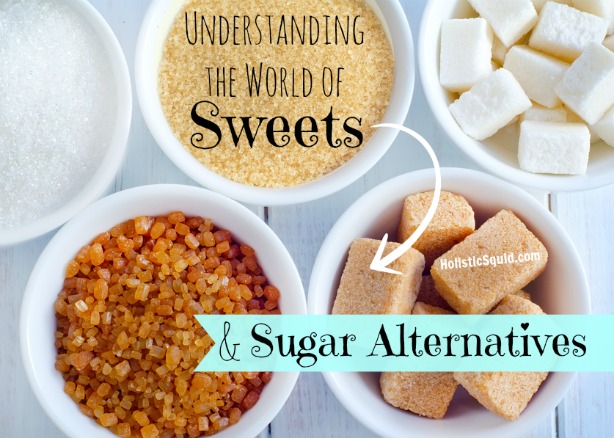
George looked at me disbelieving and asked, “Why?” Funny you should ask Mr. President” – Here's a guide to good and evil in the universe of sweets, sugar, and its alternatives.
A (healthy?) spoonful of sugar
In the world of health and nutrition, sugar is surely a creation of a little red man with horns, a swishing tail, a red cape, and a pitch fork. Tempting, delicious, addictive, and destructive – sugar can simultaneously bestow us with immense joy and serious health problems. For nutritional angels and for those with health conditions exacerbated by sugar, elimination may be the only way. For everyone else, the goal is a finding a balance between radiating health and indulging our sweet-tooth.
Let's keep something straight: SUGAR is SUGAR. It doesn't matter if it's natural (fresh squeezed orange juice) or refined (a Snickers bar), sugar is used the same in the body.
By fueling the body with fast, empty calories, sugar wreaks total havoc on the body's blood sugar, causing it to spike suddenly and rapidly crash. This can cause low blood sugar or hypoglycemia and a whole host of side effects. When your blood sugar is low, you may find it hard to complete mental tasks, feel anxious, depressed, or fatigued. You will often crave more sugar or carbohydrate-dense foods that start the blood sugar spike and crash cycle all over again.
Here's a partial list of some obvious and not-so-obvious effects of sugar:
- Promotes dental decay and plaque accumulation
- Exacerbates hyperactivity in children
- Upsets tummy
- Disturbs sleep
- Depletes the body of vital nutrients
- Weakens the immune system
- Creates a pH imbalance that can result in rashes, infections, and in the long-term can contribute to cancer
How sugar cane becomes junk
Real, natural sugar is derived by boiling sugar cane and harvesting the crystals that remain after the liquid evaporates. This type of sugar also contains valuable nutrients including fiber, protein, vitamins and minerals.
Unfortunately, most of the sugar readily available today is processed and refined, evaporated cane juice sugar. Even so-called “raw” sugar is washed, boiled, put through a centrifuge, filtered and then dried. All of the original plant materials that contained fiber and nutrients are removed when sugar is refined. What's left is a high calorie food substance with no nutritional value.
It's safe to say that all sweeteners are NOT equal. Here's a guideline to understanding natural and artificial sweeteners…
Chemical and highly processed sweeteners (AVOID)
Look out for them hidden in “sugar-free” foods, chewing gums, and toothpaste. They may be low in calories, but that doesn't mean they're safe or healthy.
- Acesulfame-K (aka Sunette or Sweet One) allegedly passes through the body unchanged, but this sweetener contains the carcinogen methylene chloride which can cause headaches, depression, nausea, mental confusion, liver effects, kidney effects, visual disturbances, and cancer in humans.
- Aspartame (found in Nutrasweet, Equal, and Sugar Twin) is dangerous for anyone who has phenylketonuria (PKU), but many people report negative side effects following consumption, including headaches, dizziness, memory loss, fatigue and depression to name a few. Children are especially susceptible to aspartame effects.
- Saccharin (found in the pink packets as Sweet and Low) has been associated with bladder tumors in animal studies and allergic reactions. Saccharin is also found in some infant formulas (!) and is linked to irritability and muscle dysfunction in babies.
- Sucralose (aka Splenda), the new golden child of artificial sweeteners, is made by chlorinating sugar. It offers no nutritional value and according to the book Sweet Deception, sucralose is made when sugar is treated with trityl chloride, acetic anhydride, hydrogen chlorine, thionyl chloride, and methanol in the presence of dimethylformamide, 4-methylmorpholine, toluene, methyl isobutyl ketone, acetic acid, benzyltriethlyammonium chloride, and sodium methoxide, making it unlike anything found in nature. Yum.
Despite manufacturer's claims that it passes through the body without being metabolized, government ruling bodies in the US and Japan have conclude that Sucralose is partially absorbed and metabolized. Since Sucralose is a new product, significant testing has not been done. I recommend avoiding this an any substance that does not exist in nature when known, safe alternatives exist. (Sorry Mr. Washington!)
Natural, unrefined/raw sweeteners (USE SPARINGLY)
Natural sweeteners are calorie dense and will impact blood sugar levels very similar to white processed sugar, but they do provide additional nutritional value.
- Natural fruit sugars – Eating fruit may curb a sweet tooth, and fruit provides the body with beneficial fiber, antioxidants, vitamins and other nutrients. If a package reads:”Fruit-Juice Sweetened,” know that the food probably has no more health benefit that if it contained straight sugar.
- All-natural maple syrup is incredibly flavorful, and it's also rich in calcium, potassium, iron, and other trace minerals. You can flavor foods with liquid syrup or purchase granulated maple sugar crystals for adding to recipes and for baking.
- Local raw honey that's unprocessed and bottled straight from the hive is delicious used in recipes and is a great sweetener for warm beverages. Raw honey contains probiotic qualities, and is associated with many health benefits including improvement digestive problems and allergies.
- Black strap molasses is the thick, dark, by-product that remains when sugar is made from cane or beet. This flavorful sweetener is extremely nutritious and high in essential nutrients including iron, calcium, Vitamin B6, magnesium, potassium and others.
- Rapadura (available at many health food stores) is made from organic cane sugar but is unrefined, so it contains vitamins, minerals, and other trace elements.
Healthy sugar substitutes (something to consider)
Sometimes sugar substitutes are essential for those wanting or needing to completely eliminate sugar. These sweeteners may sometimes be challenging to find or use in cooking preparations, but suggestions are plentiful online.
- Stevia plant extracts offer many possible health benefits and is recommended by nutritional experts such as Weston A. Price Foundation and Dr. Mercola, but you may notice a chemical-like aftertaste when consuming Stevia powders. I advise making your own decision with Stevia based on your own health needs and personal taste. If you do use it, seek out minimally processed products.
- Lo han guo is a powder made from sweet Chinese fruit in the cucumber, melon, squash, and gourd family and is growing in popularity for people that must restrict sugar intake. The Lo Han fruit has been used by people in southern China for centuries as a sweetener and a medicinal herb for the treatment of lung congestion, colds, sore throats and minor stomach and intestinal problems with no known adverse effects.
Controversial sweeteners (use with CAUTION)
- Xylitol – A sugar alcohol that is great for preventing tooth decay and inhibiting bacteria growth for respiratory and ear infections and has many more claims for benefiting health. Xylitol has no known toxic levels in humans but can cause mild diarrhea or slight cramping and is toxic to dogs. As with other sugar alcohols, the opinion is split as to its long term effects.
- Glycerine is not chemically related to sugar and seems to have a very negligible effect on insulin and blood sugar levels, thus making it a safe sweetener for diabetics, hypoglycemics and people with Candida yeast problems. Glycerine does however, increase blood volume so should be avoided by pregnant women and those with high blood pressure, diabetes or kidney diseases.
- Agave plant syrup is a purported as a natural alternative to refined, processed sugar, and it's heavily marketed today as a “raw” foods sweetener. In reality, it's extensively processed under high heat, and consumers should be aware they're not paying for or consuming a “raw” or whole food sweetener if they buy agave syrup.
Soothing the sweet tooth
According to Chinese Medicine, sweet is one of the five essential flavors necessary to keep diet in balance. In small doses, naturally sweet foods actually support digestion. Here's my three basic rules when it comes to eating sweets with grace:
#1 – Moderation
Unless you already suffer from diabetes or a condition that is worse with sugar consumption, the key is MODERATION for your children and yourself. It's often the kids that are forbidden candy that horde it under their beds. It's wise to practice moderation even if you're opting for healthy alternatives to sugar.
#2 – Quality not quantity
If you skip gas station candy bars and hold out for handmade or home baked sweets, you insure you are getting higher quality ingredients.
- Organic is always best as over-processing strips healthy nutrients from the food, and even strips your body from essential minerals.
- Fair trade certification insures your treats are made with the highest standards of social and environmental responsibility. In other words, small children and rainforests did not die for your chocolate bar!
- A word about chocolate: If chocolate is your vice, go as close to dark, raw, and low sugar as your craving will consider for satiation. Chocolate actually contains antioxidants and other healthy nutrients, so just a bit will do a body good!
#3 – Eat with joy!
If you feel guilty and “bad” every time you indulge in a sweet treat, your body will read your mind and agree that you've ingested poison!
Whether you choose a cupcake or collard greens, celebrate it, and your body will be more likely to welcome your food as nourishment.











I’ve noticed you haven’t mentioned organic unrefined coconut sugar. Just curious what your thought on that is.