Are you intrigued by cultured foods but don't know where to start? Not sure if cultured foods are right for you? Just can't seem to find a fermented food that you love?vFellow blogger and traditional foods expert, Jenny McGruther of Nourished Kitchen answers readers' burning questions about the mysteries and wonders of cultured foods…
In the Beginning
How do you get started? I've only made water kefir. – Gissel
Getting started. Ugh. Overwhelming. – Amy Jo
Jenny's answer: I think a good way to get started is to consider the foods you already enjoy consuming. It's easy to become overwhelmed when you read blog after blog after blog all discussing fermentation and the blogger's personal preferences on fermentation (which often seem like a dictum rather than preference). It doesn't have to be overwhelming, hard or complex. Remember, people have been fermenting foods for thousands of years – and doing so without big kitchens or fancy equipment.
So a good way to start is to consider foods you already use and enjoy: yogurt, kefir, pickles, mayonnaise, ketchup etc. For these you need little more than a jar and a lid. Start small, then work your way up to the big stuff once you feel comfortable with one fermented food you make well in your kitchen. It's easy to get excited and think that you have to be making four kinds of yogurt, plus kefir, plus kombucha, plus sauerkraut. The reality is that you need to start small, begin to enjoy what you're doing and move on from there once you're comfortable enough to do so. While we do discuss many, many different fermented foods in each of the 13 workshops in Get Cultured, I tell students that they should choose ONE food that appeals to them from each workshop, then move on.
Getting it right
Is fermentation an exact science? I use Himalayan salt and can't quite get my pickles and cabbage right. Sometimes they are too salty, sometimes there's mold at the top. Tips? – Nicole
Jenny says: There's science behind fermentation, but fermentation – like most culinary endeavors – is an art. The salt level you like in your pickles might not be right for someone else, so you should enjoy the process of experimentation. That said, if you're just beginning, it's helpful to work from established recipes and then adjust to your needs the next time you make the ferment. If you're not a fan of salt, you can make salt-free ferments, but they do require the use of starters for effective fermentation. Overtime, a ferment will lose its overtly salty flavor as it acquires its tartness and it will become increasingly complex. Mold at the top of a ferment is a normal experience for many fermentation devices, and it is not a serious concern unless that mold is covering the solid materials in your ferment. Using a specially designed fermentation crock or a jar equipped with a weight and airlock reduces the likelihood of molding; however, most people simply skim off the mold and enjoy the ferment.
I'd like to move away from using a starter culture (because of cost) but the one time I've tried the sauerkraut was too salty and wasn't as crisp or flavorful. Suggestions? – Maretta
Jenny says: Starter cultures are not necessary for most ferments. And a lot of sauerkraut recipes vary from person to person and expert to expert. While most people will see that variation as confusion and a source of discord, I'd encourage you to consider it to be an indicator of how wildly successful ferments can be. I generally use 1 tablespoon sea salt to 2 – 2.5 lbs of cabbage in my sauerkraut and it turns out well. Try this, then adjust it to your needs. Crispness usually a function of time, so sauerkraut should be limp after extended fermentation (but not soft like pasteurized kraut).
What's the difference between something fermented and something that's rotten or spoiled? How would I tell the difference? – Lori, Stephanie, and Carolyn
Jenny says: A fermented food is a food that has been set out to capture beneficial microorganisms, usually lactobacillus bacteria. It should smell pleasantly sour (though crucifers will smell like farts, for lack of a more eloquent term) and be tart and salty in taste. A food that is rotten will take on visible signs of contamination such as molding and may smell yeasty. If the foods you're fermenting are resting below the level of brine in your jar or crock or other fermentation device, they will not be moldy.
How do you know when a ferment is “done”? – Christina
Jenny says: A ferment is done when you think it tastes best. The greater the amount you're fermenting, the longer it will take. Fruit ferments (excluding citrus) will take between 3 and 5 days, typically. Sodas will also take about 3 to 5 days. Sauerkrauts and shredded vegetable ferments will take a few weeks to several months depending on the flavor you like and the amount you've fermented.
Fermenting isn't like baking. There's no timer to set that will tell you when something's officially done. You simply try it, and if you like it transfer it to the fridge or cold storage.
I feel like I am constantly preparing my cultured foods, and then still worrying that I will run out. Suggestions for flow management in a fermentation kitchen? – Misti and Christina
Jenny says: When I was troubled by the same issue, I saved up and purchased a large polish sauerkraut crock which is kept on my kitchen counter and will ferment gallons at a time. This ensures that I have a constant and ready supply of whatever I'm fermenting.
Cultures for all?
I take a probiotic supplement and eat yogurt. I'm sure they're delicious, but I'm busy! From a health perspective, are fermented foods worth the extra effort? – Ilene
Jenny says: If all you have time for is a probiotic capsule and some yogurt, keep at it! However, from a health perspective fermented foods are worth the extra effort and should be included in your meals regularly. If you're making them at home, it will take a small amount of extra time (maybe 30 minutes a week). If that doesn't work for you, I'd still encourage you to purchase fermented vegetables and juices either online or at a well-stocked health food store.
Is it ok to give an 8 month old cows milk kefir or non-caffeinated kombucha? – Julie
Jenny says: I wouldn't give an infant of that age kombucha when there are many other fermented foods available. Kefir should be okay if your baby doesn't have a dairy intolerance.
Can pregnant women drink kombucha? – Desiree
Jenny says: Kombucha is strongly medicinal and is a strong chelator. For this reason, most experts warn to avoid starting a kombucha regimen while pregnant or lactating, but indicate that it's okay to continue a kombucha regimen if you already have one established. If you're concerned, there are many fermented foods and drinks beyond kombucha that don't have these chelating effects.
My challenge: Those of us with yeast and mold allergies are told to avoid their yummy goodness! There is such controversy in this area… but, for the record, I DO still eat coconut milk yogurt. What are your thoughts on fermented foods and allergies, candida, etc? – Corrine
Jenny says: I've worked with Donna Gates of the Body Ecology Diet which focuses heavily on healing from candida. Fermented foods are a part of this regimen; however, for people dealing with specific issues of gut dysbiosis, wild fermented foods may exacerbate the problem. For this reason, those who need to be on very specific healing protocols may benefit from using special starter cultures or from using special probiotic capsules as starter cultures for their fermented foods to ensure they're growing very specific beneficial bacteria. And, generally, those on an anti-candida diet are often told to avoid yeasts, so certain fermented foods like kombucha, water kefir, sourdoughs and vinegars might be discouraged depending on your diet's or practitioner's specific recommendations.
Finding Fermentation Love
We have kefir in both water and milk form daily, and I've got my first kombucha going, but so far I have made sauerkraut which I like but don't love, garlic which is way too garlicky and beets which don't taste much different than raw beets. Can you suggest a cultured food I might like? Ilana (Tabitha, and Rebecca)
Jenny says: I'd suggest trying to consume fermented versions of foods you already like. Turn your kefir into ranch dressing. Make fermented ketchup, mustards and mayonnaise. Try a true sour pickle.
******************************************************************************
Where to Find Starter Cultures and Supplies
- Buy starter cultures – Depending on what you're making and how you're making it, you don't necessarily need anything special to start a ferment other than some . But in the case of kombucha and dairy ferments (yogurt, kefir, cheeses, etc) you do need a starter. It is possible to start yogurt from a store bought batch, but heirloom strains can produce more consistent results. Veggies and sourdough don't always need a starter culture, but you may find you like using one. You can find gret sources for starter cultures here.
- Buy fermentation vessels – Many folks find that they are perfectly happy fermenting in reused glass jars or mason jars. In which case, a wide-mouth canning funnel will save you from lots of mess. If you plan to do big batches at a time, a fermentation crock may be the best way to go. For cultured drinks and sodas, swing top glass bottles are nice to have and insure a more bubbly beverage.
- Read Books on culturing food at home: Wild Fermentation by Sador Katz and his new book – which I am so looking forward to owning – The Art of Fermentation: An In-Depth Exploration of Essential Concepts and Processes from Around the World.
Some Recipes for Fermented Foods
- Practically Perfect Cultured Ketchup
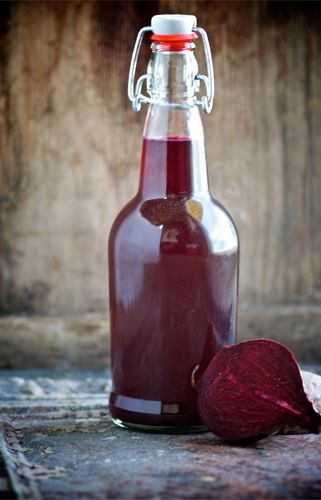 Homemade Yogurt
- Ginger Bug and Apple Ginger Soda
- Home brewed Kombucha
- No Knead Sauerkraut
- Sour Pickles
- Old Fashioned Rootbeer
- Homemade Potato Chips
- Home Cured Corn Beef
Not Ready or Interested in Making Your Own?
- Order delicous organic cultured veggies online.
- Many health food stores carry traditionally fermented pickles, kraut, and kimchi from brands like Bubbies. Kombucha and coconut kefir are also often available. And organic yogurt is nearly everywhere – try to find yogurt made from milk from grass fed cows, goats, or sheep.
- If you are lucky enough to live in Los Angeles, Real Food Devotee will deliver home cultured foods and other nutrient dense goodies right to your door – cultured convenience.
Photography by Nourished Kitchen.







Thanks for the information! Just wanted to comment though… as a Registered Dietitian I wouldn’t recommend infants under the age of 9 months have milk products – including kefir (as you mentioned above could be given to infants at the age of 8 months).
When what you are making finished how do you store it? I do not want a jar pickles to explode in my cabinet and i do not have space in my frig for much.
Hi Eg Scott, once done fermenting the food, you transfer it to the refrigerator. If you don’t have much space, you can make smaller amounts in smaller jars.